
Key points
- Fibreglass is the go-to material for large, durable and outdoor sculptures.
- 3D printing gives the most accurate shapes and fine details, and suits small to medium pieces.
- Foam is light and fast for temporary event props and large volumes.
- Many sculptures combine methods: a 3D printed or carved master, then a fibreglass finish.
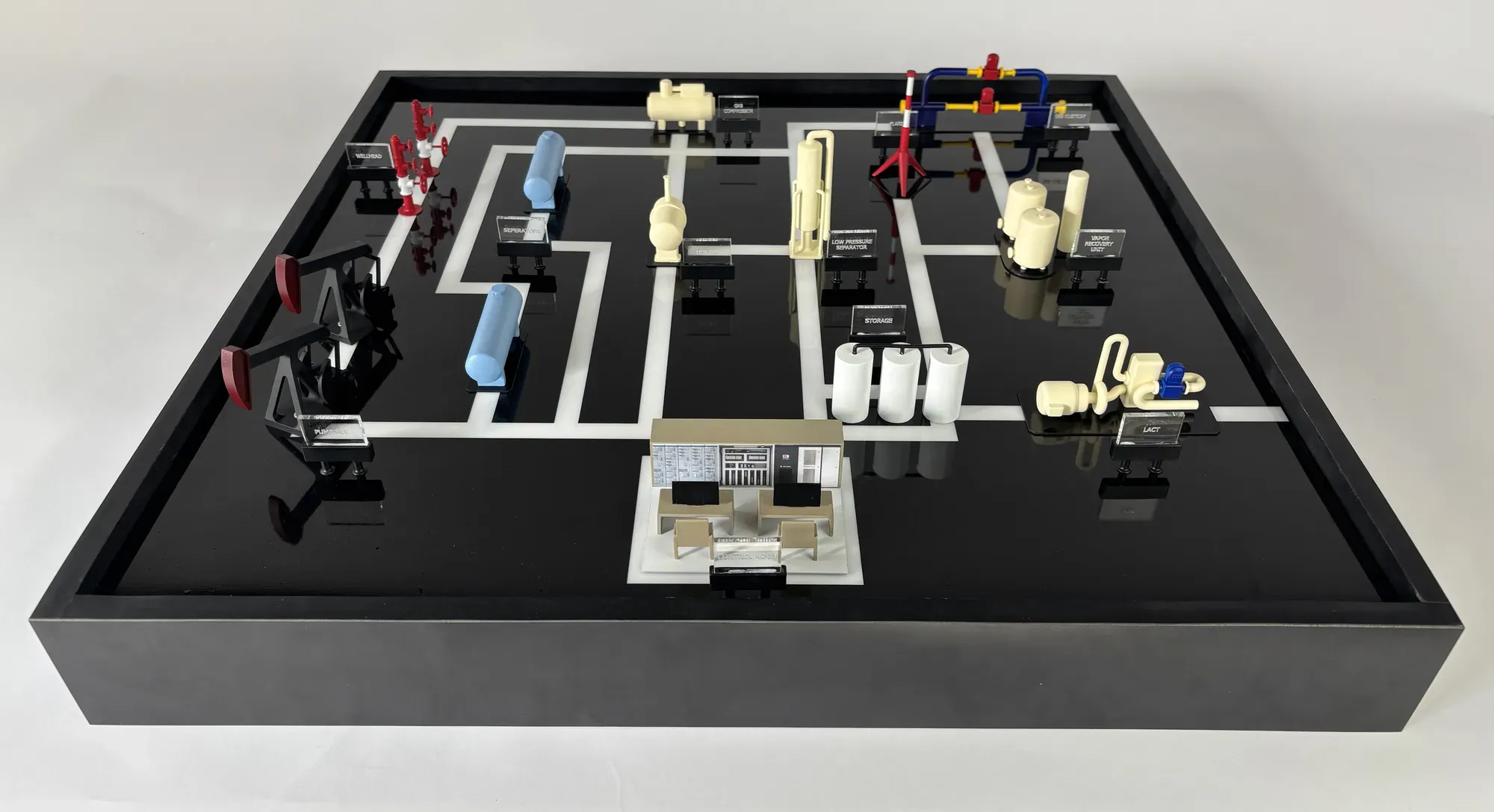
What are display models and sculptures used for?
- Mall activations, seasonal decorations and photo spots
- Brand icons, giant products and mascots
- Exhibition stand centrepieces
- Public art and outdoor installations
- Museum and visitor centre displays
Fibreglass vs 3D printing vs foam
| Material | Best for | Durability | Detail | Typical use |
|---|---|---|---|---|
| Fibreglass (GRP) | Large, strong, long-life pieces | Very high, outdoor-ready | Good | Outdoor sculptures, giant products, permanent displays |
| 3D printing | Accurate shapes, fine detail | Good indoors; coated for outdoor | Excellent | Art pieces, figurines, detailed parts, masters for moulds |
| Foam (EPS / PU) | Very large, light, temporary | Medium; hard-coated for more life | Medium | Event props, stage sets, short-term displays |
Fibreglass sculptures
Fibreglass (glass-reinforced plastic) is strong, light for its size and resistant to sun and weather when properly finished. It is the usual choice for outdoor sculptures and permanent displays in the UAE climate. Fibreglass pieces are made over a master shape, which can be carved, sculpted or 3D printed.
3D printed sculptures
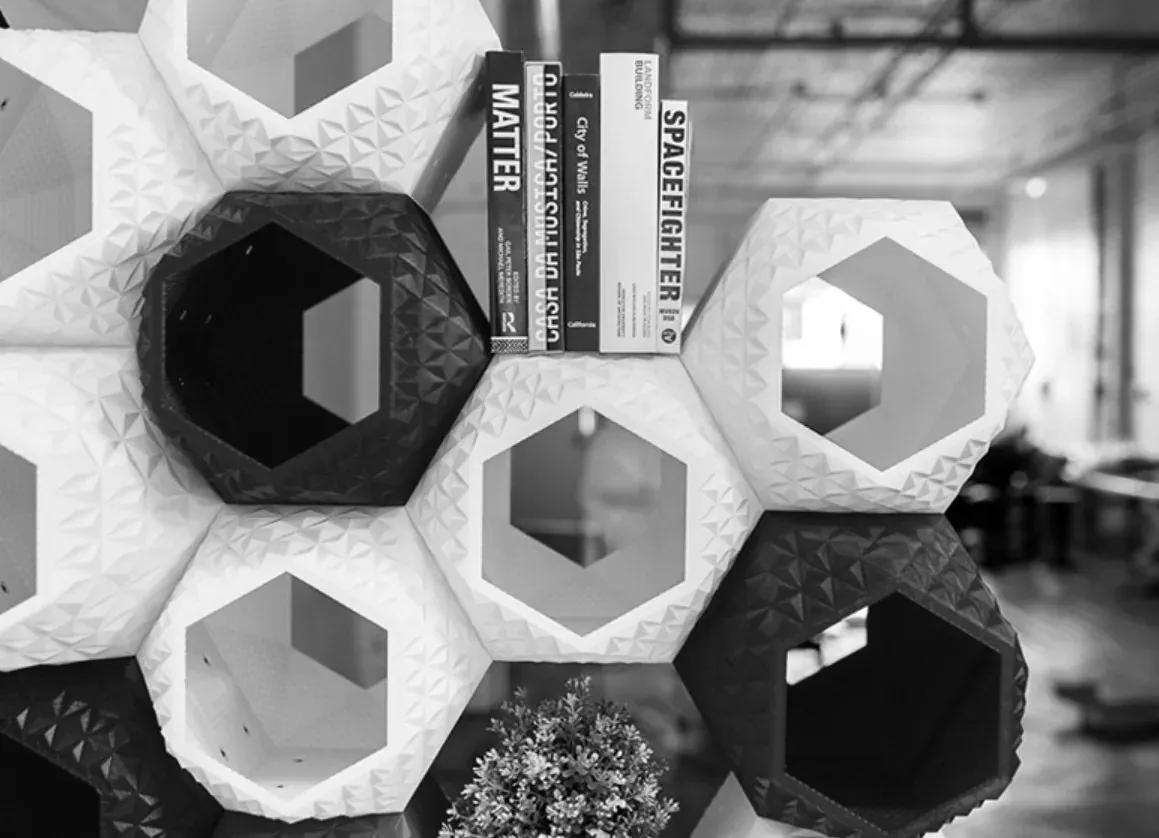
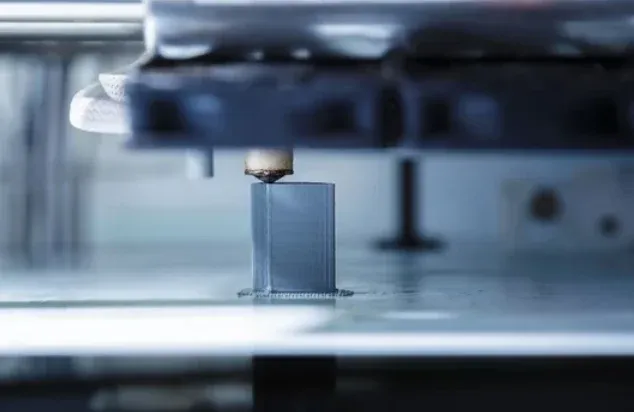
3D printing builds the exact digital shape, so details, faces and logos come out accurately and repeatably. It is ideal for art pieces, figurines and detailed parts, and for creating the master that a fibreglass mould is taken from. Large pieces are printed in sections and joined.

Foam display pieces
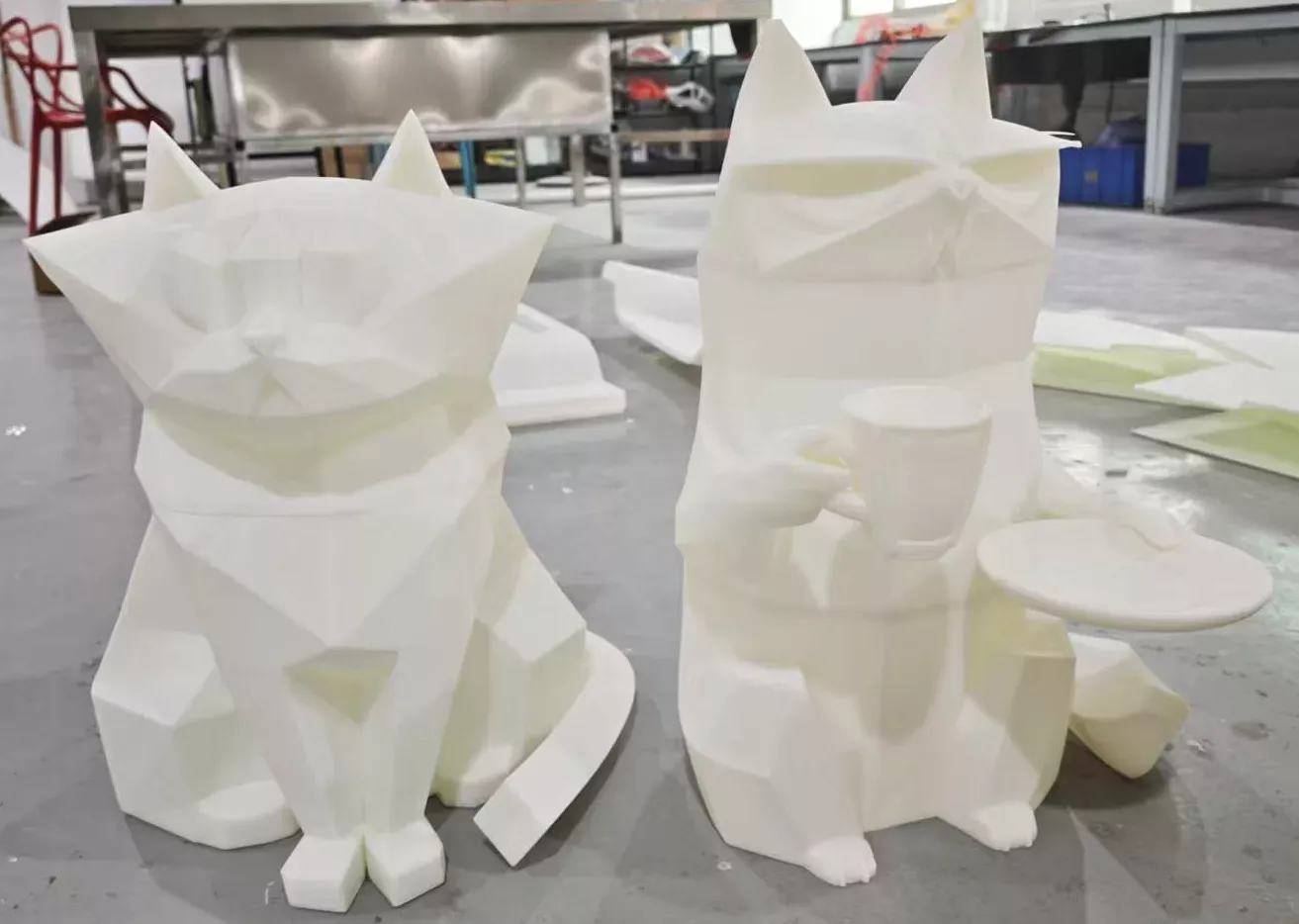
Foam is carved quickly and is very light, which makes it practical for large event props and stage sets. A hard coating improves durability, but foam is best for indoor or short-term use.
How to choose
- Outdoor and permanent: fibreglass with UV-stable paint
- Indoor with fine detail: 3D printing, sanded and painted
- Very large and temporary: coated foam
- Several copies: 3D printed master and fibreglass moulds
See examples on our display models and sculptures page, and our exhibition stands for event centrepieces.
Frequently asked questions
Can sculptures be placed outdoors in Dubai?
Yes, when they are made in fibreglass or coated with UV- and heat-resistant finishes.
How big can a display sculpture be?
Very large pieces are built in sections and assembled on site; size is mainly limited by transport and access.
Can you make a giant version of our product?
Yes. We scale your product from CAD or photos and build it in the right material.
How long does a sculpture take?
Small pieces take a few weeks; large or outdoor sculptures take longer depending on size and finish.
Plan your display piece
Tell us what you want to build, where it will stand and for how long, and we will recommend the right material and method.