
Key points
- Printing can produce repeated building forms consistently and give complex features a clear shape at model scale.
- Printed components are useful when equipment has complex geometry or when several similar items must be represented consistently.
- A prototype answers a question before a design is finalized.
- The best production plan often combines printing with cutting, fabrication, painting and assembly.
The purpose of the finished object determines whether printing is the right method. This guide looks at practical 3D printing applications for ALCA Models’ clients and the questions to resolve before production.
Architectural models and master plans
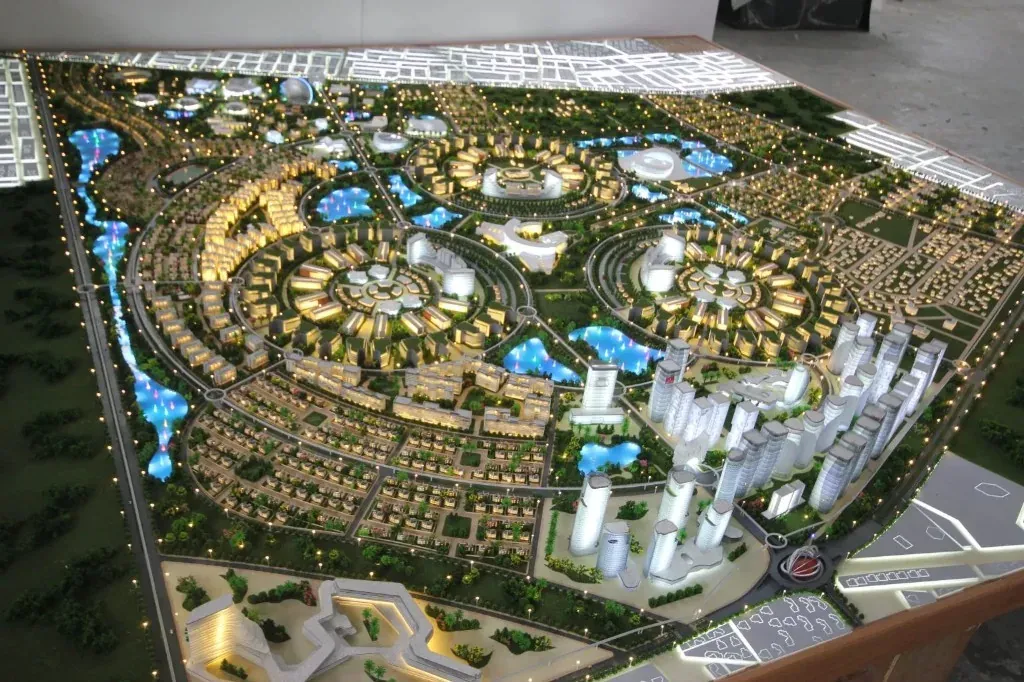
Architectural models help clients, designers and buyers understand a proposal as a physical whole. Printing can produce repeated building forms consistently and give complex features a clear shape at model scale. It is particularly useful for curved façades, intricate rooflines, stairs and small site elements that would take considerable hand fabrication.
A master plan model may contain many buildings, roads, landscape areas and amenities. The model maker can print selected components while fabricating the base, terrain, clear pieces and other elements by different methods. The result is one coordinated presentation, rather than a collection of separate prints.
Scale changes what can be shown. A railing that is visible in a full-size drawing may be too fragile or too small at 1:500. Important details may need to be simplified or strengthened so the finished model remains legible and durable. ALCA’s architectural and master plan model service covers the broader model-making work that surrounds the printed parts.
Industrial and engineering presentation models
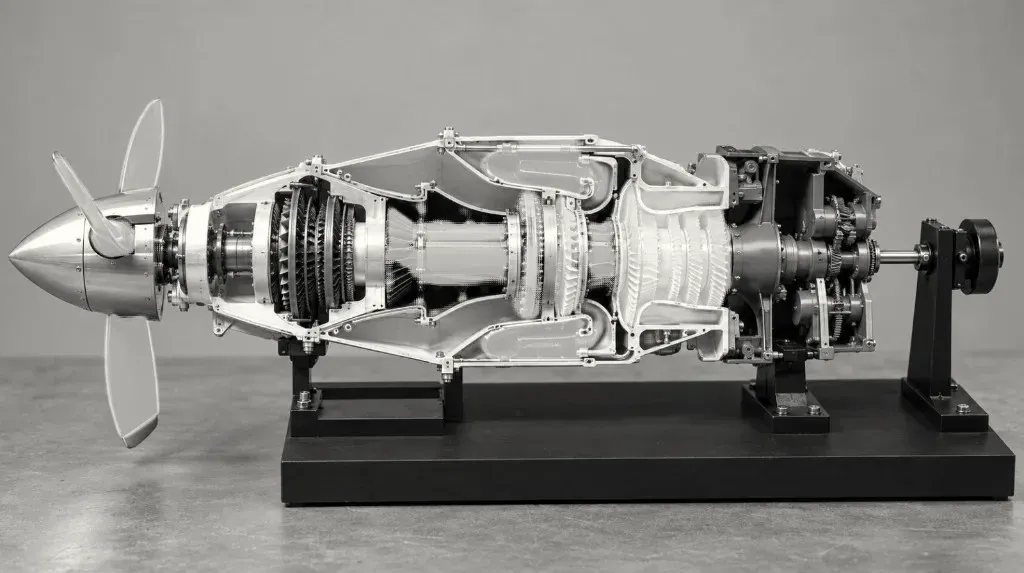
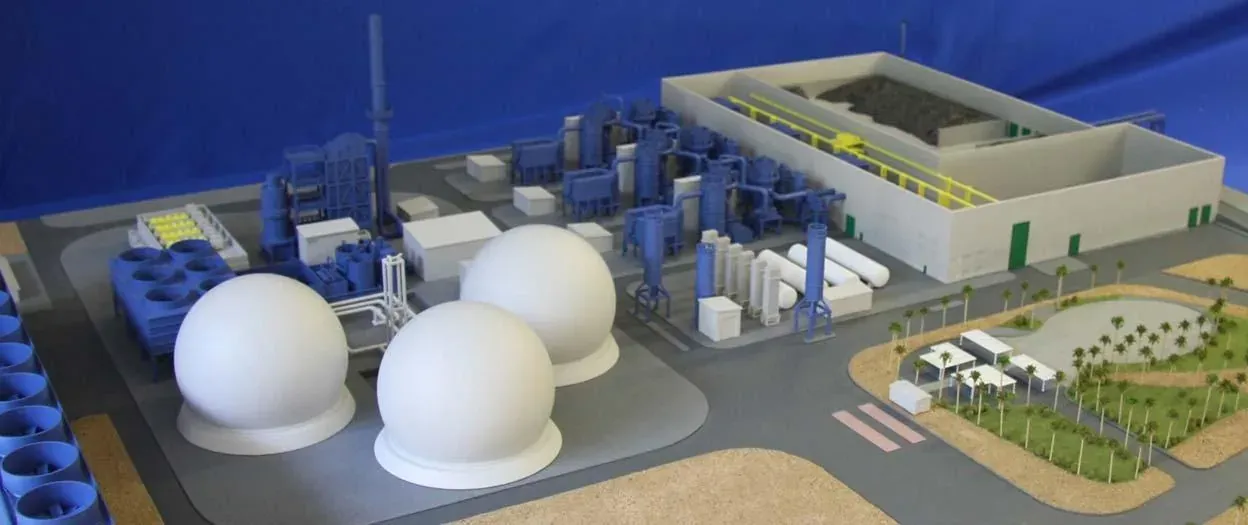
Industrial equipment and facilities can be hard to explain from drawings alone. A physical model can show how tanks, machinery, pipework and structures relate to one another. Printed components are useful when equipment has complex geometry or when several similar items must be represented consistently.
The intended message should guide the level of detail. A model for a boardroom presentation may need to show the overall layout. A technical demonstration may need removable sections or a clear view of a process route. Neither should be confused with a certified working part: if a component must function under load, its engineering requirements need a separate review.
For projects of this kind, see ALCA’s industrial and engineering scale models. The enquiry should identify which equipment or relationships the audience must understand first.
Prototypes for design review
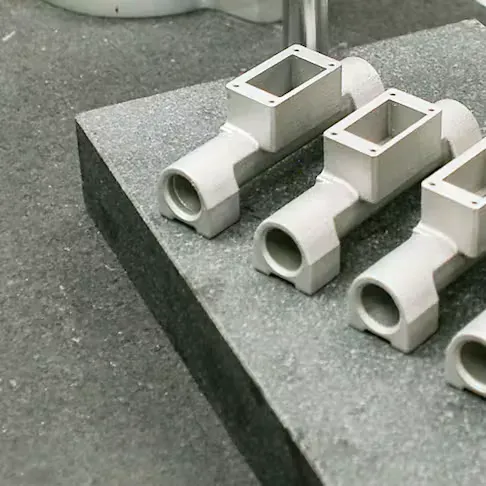
A prototype answers a question before a design is finalized. A team might print a concept to judge its proportions, a housing to check assembly, or a sample to compare two forms. If the design changes, the digital file can be revised and another version made without preparing a new production tool for every iteration.
The test determines the material and finish. A visual concept model does not necessarily need the same strength as a part that will be handled repeatedly. Equally, a strong test part may not have the surface finish expected of a client presentation. State whether the prototype is meant to check appearance, fit, handling or function. ALCA offers rapid prototyping in Dubai for teams developing physical concepts and components.
Exhibition displays and trade show models
An exhibition model has a different job from a design-office prototype. It must communicate quickly to visitors, look finished under display lighting and withstand handling, packing or transport. Printed shapes can help create a recognizable product form, building detail or custom display feature that standard fabrication would struggle to reproduce.
The printed piece is only part of the display. Its base, graphics, lighting, protective cover and installation method affect how well it works at the venue. Large elements may need to be produced in sections and assembled; exposed parts may need reinforcement or a protective finish. See ALCA’s trade show display models for the complete display context.
When should you choose 3D printing?
Printing is worth considering when a project has one or more of these needs:
- A complex shape or small detail would be difficult to make consistently by hand.
- Several matching components are needed for a scale model or display.
- The design may change and a new physical version will need to be reviewed.
- A small custom run is needed without the setup of a dedicated mould or tool.
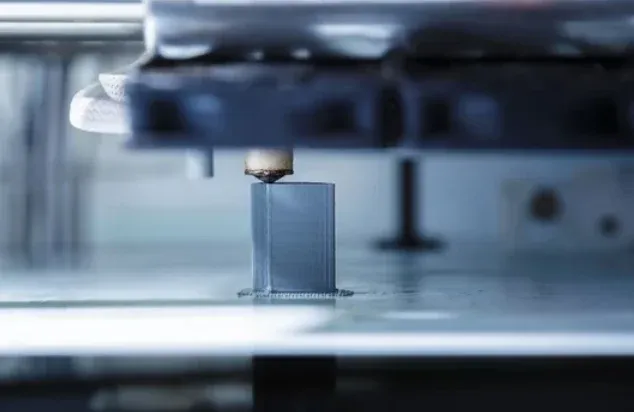
Other methods can still be better for flat panels, clear covers, large bases or surfaces that need a particular material finish. The best production plan often combines printing with cutting, fabrication, painting and assembly. ALCA lists SLA, SLS and FDM among its 3D printing technologies; the method should be selected after the size, detail, strength and finish are known.
What should you include in the brief?
Send the drawings or digital files you have, along with the finished object’s purpose. Specify the physical size or scale, how closely people will view it, whether it will be transported or handled, the number of pieces and the deadline. If a particular detail matters most, mark it on the drawing. That information helps the model maker decide what to print, what to fabricate another way and what file preparation is needed.
Frequently asked questions
Can every detail in a CAD model be printed at scale?
No. Very thin walls, tiny openings and delicate features may need to be simplified or enlarged. Their visibility and strength should be checked at the intended physical scale.
Is 3D printing useful for a one off exhibition model?
It can be. A custom shape or detailed component may be practical to print even when only one model is needed. The final decision depends on size, material, finish, deadline and the other fabrication work required.
Does a printed component need finishing?
Often. Cleaning, assembly, smoothing, painting or other finishing may be needed to match the intended presentation quality. The amount of work depends on the method and the use of the piece.
Discuss the right application with ALCA Models
If you need 3D printed models or 3D printing and prototyping for an architectural, industrial or exhibition project, share your files and explain what the finished object must help people see or test. ALCA Models can review the brief and discuss a suitable production approach. Contact ALCA Models to start.