
Key points
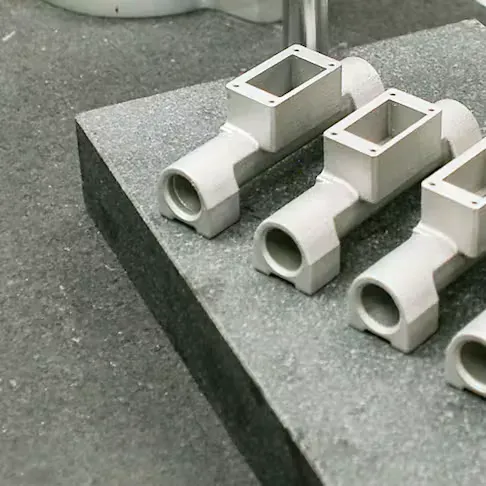
- Injection moulding needs a steel or aluminium tool, which is expensive and takes weeks, but then makes each part very cheaply.
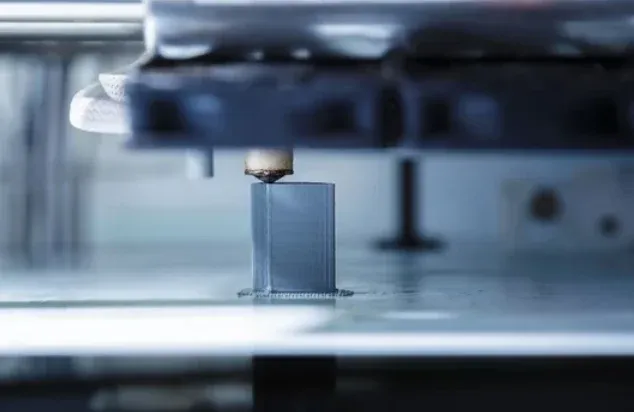
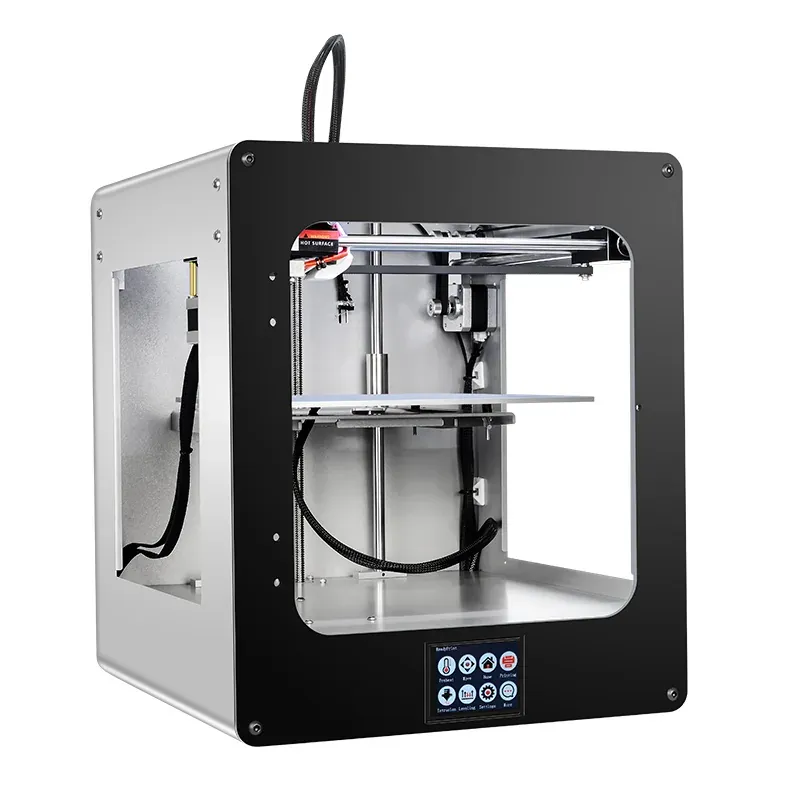
- 3D printing needs no tool, so the first part costs the same as the hundredth.
- Printing wins for prototypes, one-offs and small batches; moulding wins for large volumes.
- Printed parts are often used to test a design before the mould is made.
How each process works
Injection moulding forces molten plastic into a machined metal mould. Once the mould exists, a part can be made every few seconds. 3D printing builds each part directly from the digital file, layer by layer, with no mould.
Side by side
| 3D printing | Injection moulding | |
|---|---|---|
| Upfront cost | None | High (tooling) |
| Cost per part | Fairly constant | Very low at volume |
| Time to first part | Days | Weeks for the tool |
| Design changes | Free: change the file | Costly: modify the tool |
| Design freedom | Very high, including internal features | Limited by draft angles and mould design |
| Materials | Printing plastics, resins and nylons | Thousands of grades |
| Best for | Prototypes, one-offs, small batches | Mass production |
Where the break-even falls
Because moulding has a large tooling cost and printing has none, there is a quantity above which moulding becomes cheaper. For small, simple parts that point comes earlier; for large or complex parts it comes much later. The exact figure depends on the part, so it is worth pricing both routes once quantities reach the hundreds.
Using printing before moulding
- Design validation: test fit, form and function before cutting steel
- Bridge production: supply the first units while the tool is being made
- Market testing: show buyers and investors real samples
- Spare and legacy parts: print low-volume parts where a tool no longer exists
See what is a prototype and rapid prototyping.
Designing for both
If a part will eventually be moulded, design it for moulding from the start: even wall thickness, draft angles and no undercuts unless needed. A printed prototype of that design then tells you much more about the final part.
How ALCA Models can help
ALCA Models prints prototypes and short runs so you can test a design, show it to buyers and supply the first units before committing to a mould.
- Rapid prototyping for design validation
- 3D printing of small batches in nylon, resin and filament
- Reverse engineering of parts that are no longer made
Frequently asked questions
Is 3D printing cheaper than injection moulding?
For prototypes and small quantities, yes, because there is no tooling. For large quantities, moulding is cheaper per part.
How many parts before injection moulding is worth it?
It depends on the part's size and complexity. Compare quotes for both once you need hundreds of parts.
Can 3D printed parts replace moulded parts?
For low volumes, spares and many functional uses, yes, if the right material is chosen.
Should I 3D print before making a mould?
Almost always. A printed prototype finds design problems before the expensive tool is made.
Testing a design before tooling?
Send us your CAD file and quantities, and we will print prototypes or a small batch so you can test before committing to a mould. See 3D printing in Dubai.