
What is 3D printing?
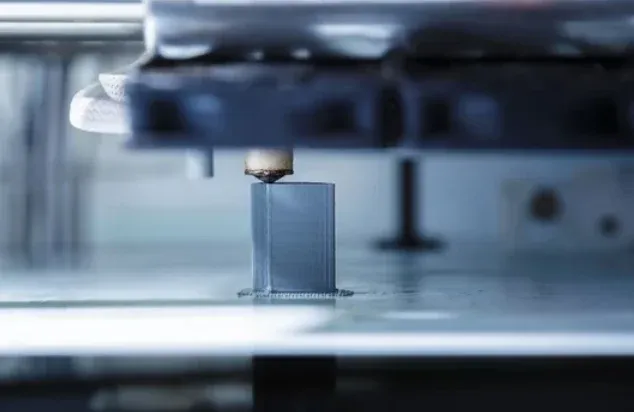
3D printing, also called additive manufacturing, makes an object from a digital design by adding material layer by layer. That differs from methods that cut a shape out of a larger piece of material. The result can be a complete small object or one component that is later assembled with other parts.
An architectural scale model is a good example of that distinction. A tower, a façade detail or a small landscape element might be 3D printed, while the base, clear cover and other parts use different fabrication methods. “3D printed model” does not have to mean that every part came from a printer.
How does the process work?
A professional project usually moves through five stages:
- Define the purpose. Decide what the object must show or test, its approximate size, and where it will be used.
- Prepare the digital design. Review a CAD or 3D model and adjust details that would be too small, fragile or unclear at the intended scale.
- Choose the method and material. The choice depends on detail, strength, surface finish, size and how the part will be handled.
- Print the part. Preparation software divides the digital model into layers and guides the machine through production.
- Finish and assemble. Cleaning, support removal, painting and assembly may be needed before the part is ready for presentation.
The printer is only one stage. File preparation and finishing have a large effect on whether the final piece communicates the design well.
Which printing method is used?
Different methods solve different problems. ALCA Models lists three 3D printing technologies among its capabilities:
- SLA uses resin and is suited to fine detail and smooth surfaces, such as small architectural features.
- SLS fuses polymer powder and can make complex nylon parts where durability or geometry matters.
- FDM deposits heated filament and can be useful for larger prototype or model components.
These are starting points, not automatic rules. The appropriate method depends on the actual design and finish required. See ALCA’s 3D printing technologies for its listed capabilities.
3D printing applications at ALCA Models
ALCA Models uses 3D printing across its services: 3D printing, rapid prototyping, 3D printed architectural scale models, industrial and engineering scale models, display models and product replicas and custom 3D printed trophies. The main uses are below.
Architectural scale models
Printed components can help represent building forms and details that are difficult to make consistently by hand. The finished model can combine these parts with fabricated bases, clear components, landscaping and painted surfaces. The aim is a physical presentation that makes the development easier to understand. Explore ALCA’s architectural and master plan models.
Industrial and engineering models
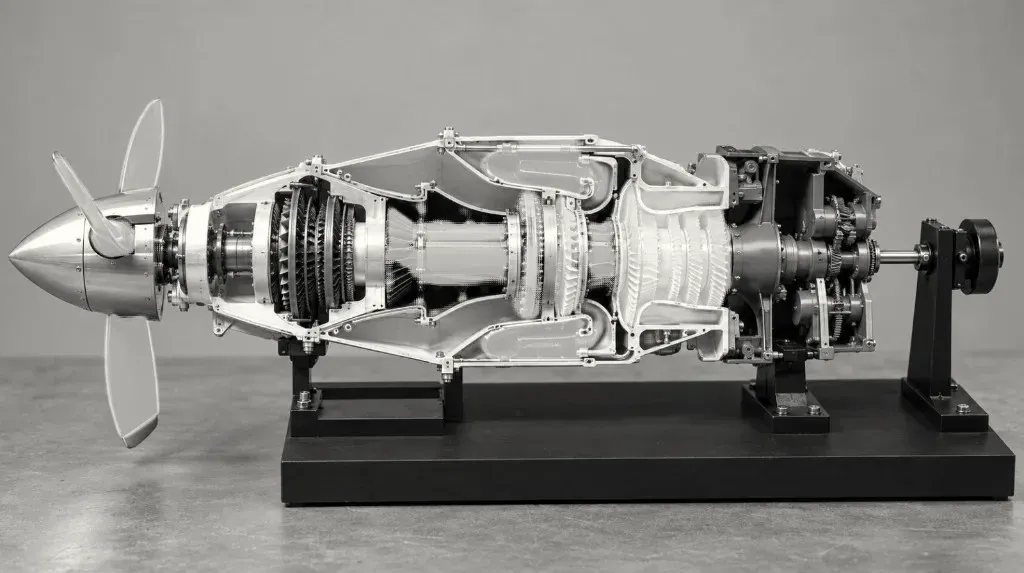
A technical model can show the arrangement of equipment, structures or a process at a size that works for a meeting or exhibition. Printed parts can represent complex shapes, while finishing and assembly make the important relationships clear. See ALCA’s industrial and engineering scale models.
Prototypes and concept models
A prototype lets a team examine form and fit before committing to a final design. It can reveal questions that are hard to settle on a screen, such as whether a part can be handled comfortably or whether two components meet as intended. The purpose of the test should guide the material and level of finish. ALCA also offers rapid prototyping in Dubai.
Displays and interior elements
3D printing can also contribute custom shapes for exhibition displays and interior features. In these projects, the visible finish, final dimensions and method of installation matter as much as the printed shape. A printed piece may need other materials or finishing work to suit its display setting.
Is 3D printing always the right method?
No. A large flat panel may be more practical to cut or fabricate. A presentation model may need transparent acrylic, a strong base or hand-applied finishes. Good model making selects a method for each part instead of forcing the whole project through one process.
It is also worth separating 3D printing from its possible uses. A rough prototype meant to check a shape has different requirements from a finished sales-gallery model. Tell the model maker what decision the object must support before choosing the technology.
What should you send with an enquiry?
A useful first brief includes:
- The intended use: design review, buyer presentation, technical demonstration or exhibition.
- Any drawings, CAD files, 3D files or reference images you already have.
- The required physical dimensions or scale, if known.
- The details that must be visible or tested.
- Your preferred finish, quantity and deadline.
If you do not have a print-ready file, send the material you do have. ALCA can review it and explain what preparation the project would require.
If you do not have all of this yet, send what you have. We can give you an indicative range from a site plan and a deadline alone.
Frequently asked questions
Do I need a finished 3D file to ask for a quote?
No. Drawings, dimensions and reference images can be enough for an initial discussion. The team can then identify any modeling or file preparation needed before production.
Does 3D printing remove the need for finishing?
Usually not for a presentation piece. Parts may need cleaning, assembly, painting or other finishing to achieve the intended appearance.
Is a 3D printed architectural model the same as a 3D printed building?
No. This article discusses physical scale models and their components. Printing a full-size building is a different type of construction project with different materials and requirements.
Discuss your project with ALCA Models
If you are considering 3D printing services in Dubai for an architectural model, engineering model, prototype or display, send ALCA Models your drawings and the purpose of the finished piece. The team can review what you have and discuss a suitable production approach. Contact ALCA Models to start the conversation.