
Key points
- Engineering models represent plants, facilities, equipment and processes at a reduced scale.
- The main types are facility, process-flow, cutaway, training and exhibition models.
- They are built from plot plans, P&IDs or 3D plant models.
- Choosing what to simplify and what to detail is the most important design decision.
Main types of engineering model
| Type | Shows | Used by |
|---|---|---|
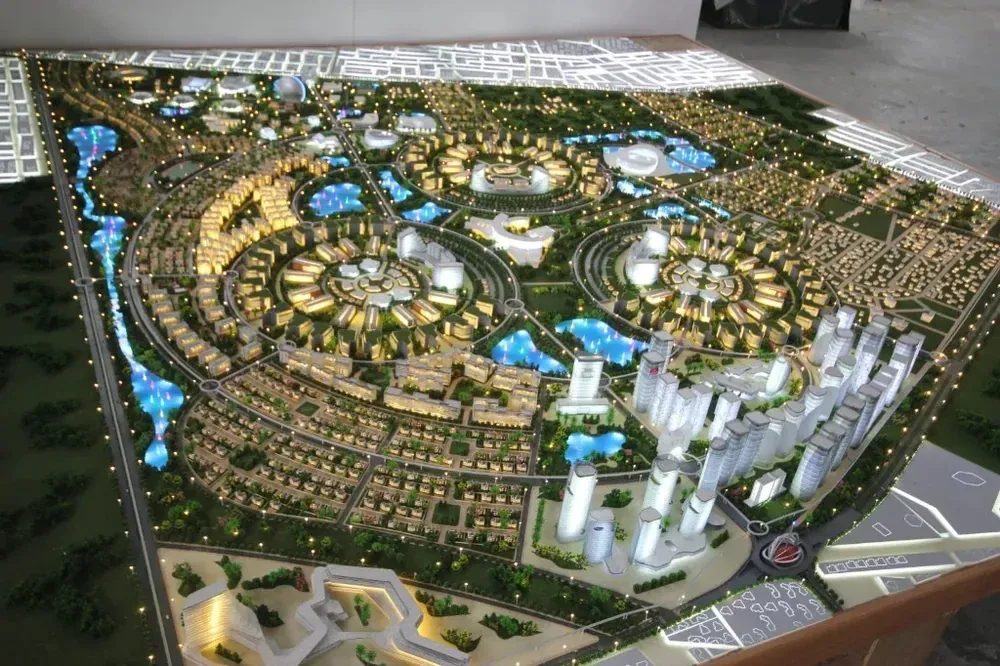
| Facility or plant model | Layout of a refinery, gas plant, factory or terminal | Operators, EPC contractors, visitor centres |
| Process-flow model | How material or energy moves through a plant, often with lit flows | Presentations, education, exhibitions |
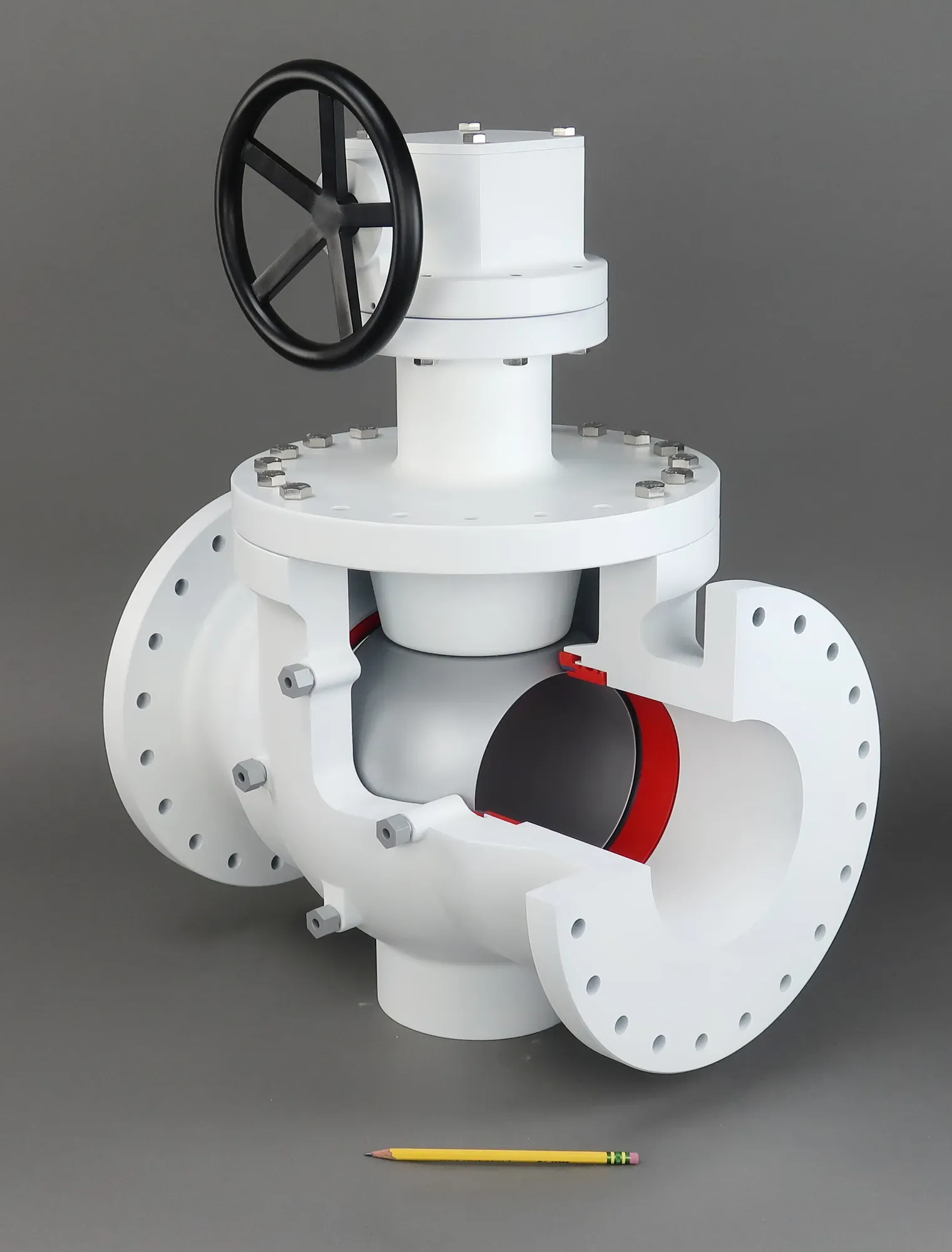
| Cutaway equipment model | The inside of a valve, pump, engine or vessel | Equipment makers, sales and training teams |
| Training model | Equipment and controls operators must recognise | Training centres, safety teams |
| Exhibition model | A product or project in a form that travels well | Trade show exhibitors |
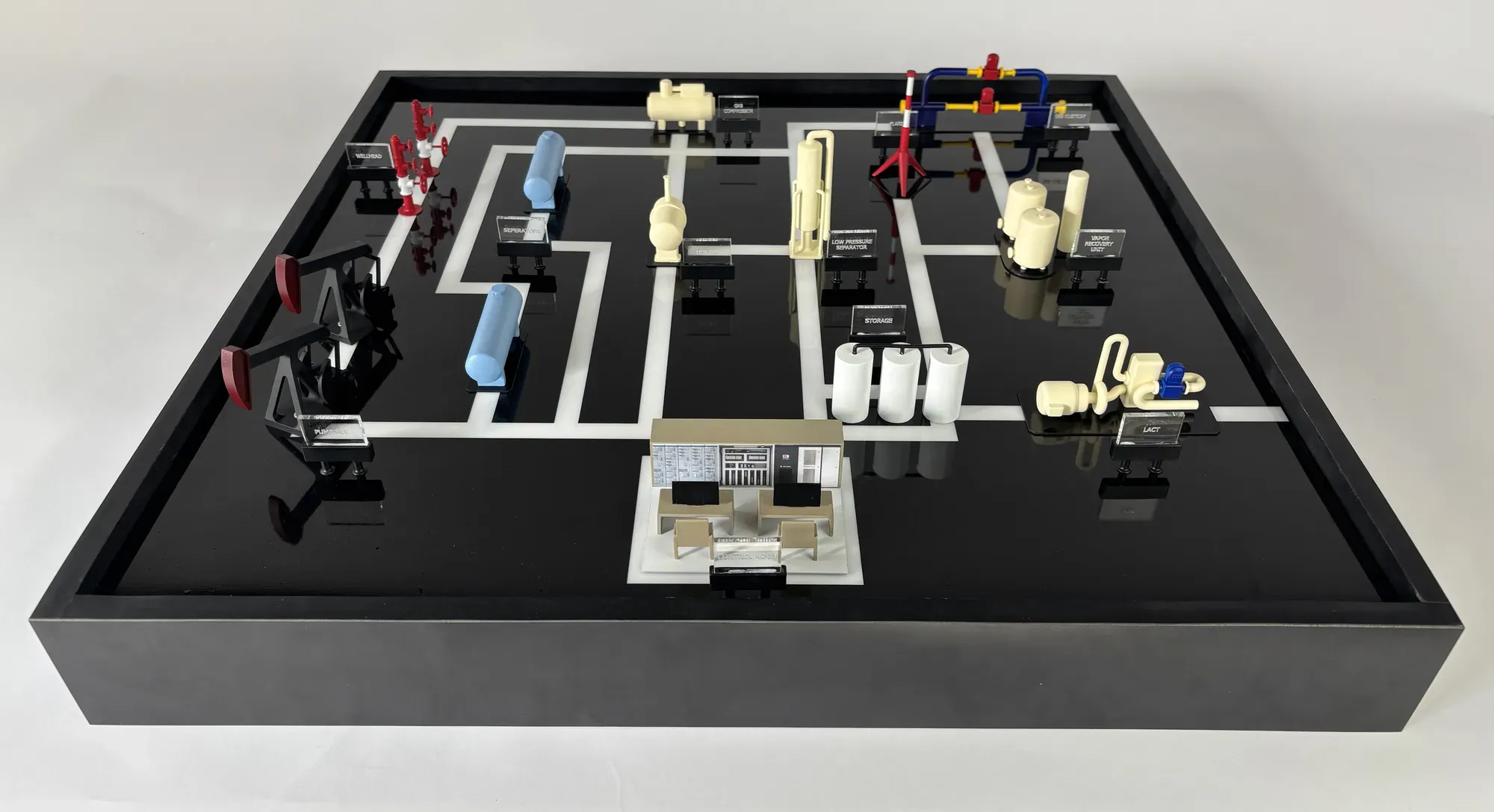
What the model is for decides the detail
A plant model for a head-office reception needs clarity and a premium finish. A training model needs accuracy in the parts operators must recognise. An exhibition model needs to survive shipping and draw people in from the aisle. Deciding this first keeps the model clear and the budget sensible.
Files and information needed
- Plot plans and general arrangement drawings
- P&IDs or process flow diagrams for process models
- The 3D plant model (for example from Navisworks or similar) or equipment CAD files
- Photos of the real facility or equipment
- A list of what matters most to the message
Common scales
| Subject | Typical scale |
|---|---|
| Whole field, plant or terminal | 1:200 to 1:1000 |
| Process unit or skid | 1:20 to 1:50 |
| Single piece of equipment | 1:5 to 1:20, or full size for cutaways |
How engineering models are built
Detailed equipment and piping are 3D printed, bases and structures are laser cut or fabricated, and everything is painted to industrial colour standards. Lighting can show process flows, and models can be built in sections for transport.
See industrial and engineering scale models and oil and gas models.
How ALCA Models can help
ALCA Models builds engineering and industrial models for energy companies, contractors, equipment makers and training centres, from plant layouts to cutaway equipment.
- Industrial and engineering scale models
- Oil and gas models for energy shows, receptions and training
- Trade show display models that travel to exhibitions
Frequently asked questions
What is an engineering scale model?
A physical model of a facility, piece of equipment or process at reduced scale, used to explain, sell or train.
What files are needed for a plant model?
Plot plans, P&IDs or the 3D plant model, plus photos and a note of the key elements to show.
What is a cutaway model?
A model with part of its outer casing removed so the internal parts and workings can be seen.
How long does an engineering model take?
Typically three to eight weeks depending on size, detail and lighting.
Plan an engineering model
Send us your drawings or 3D model, the purpose of the model and where it will be shown, and we will propose a scale and quote. See industrial and engineering scale models.