
Key points
- 3D printing price depends mainly on part size, material, technology, finishing, quantity and deadline.
- Printing time and material are only part of the cost; finishing and assembly often matter just as much.
- You can reduce cost by hollowing parts, choosing the right technology and allowing a realistic deadline.
- Send a 3D file (STL, OBJ or STEP) with quantity and deadline for an accurate quote.
The short answer
A small, simple 3D printed part can cost very little, while a large, painted presentation piece or a multi-part prototype costs much more. Two parts of the same size can differ several times in price depending on the material, the technology and the finishing.
What decides the price of 3D printing
| Factor | Effect on price | Why |
|---|---|---|
| Size and volume | Very high | More material and longer machine time. Large parts may need to be printed in sections and joined. |
| Technology | High | SLA resin gives the finest detail, SLS nylon is strong and functional, FDM is economical for larger parts. |
| Material | High | Engineering resins, nylon and specialty materials cost more than standard PLA. |
| Finishing | High | Sanding, priming, painting and polishing are hand work and can exceed the printing cost. |
| Quantity | Medium | Several identical parts can be printed together, lowering the cost per part. |
| Design preparation | Medium | Files that need repair, scaling or redesign add engineering time. |
| Deadline | Medium | Rush jobs need machines and people reserved, often outside normal hours. |
How technology affects 3D printing cost
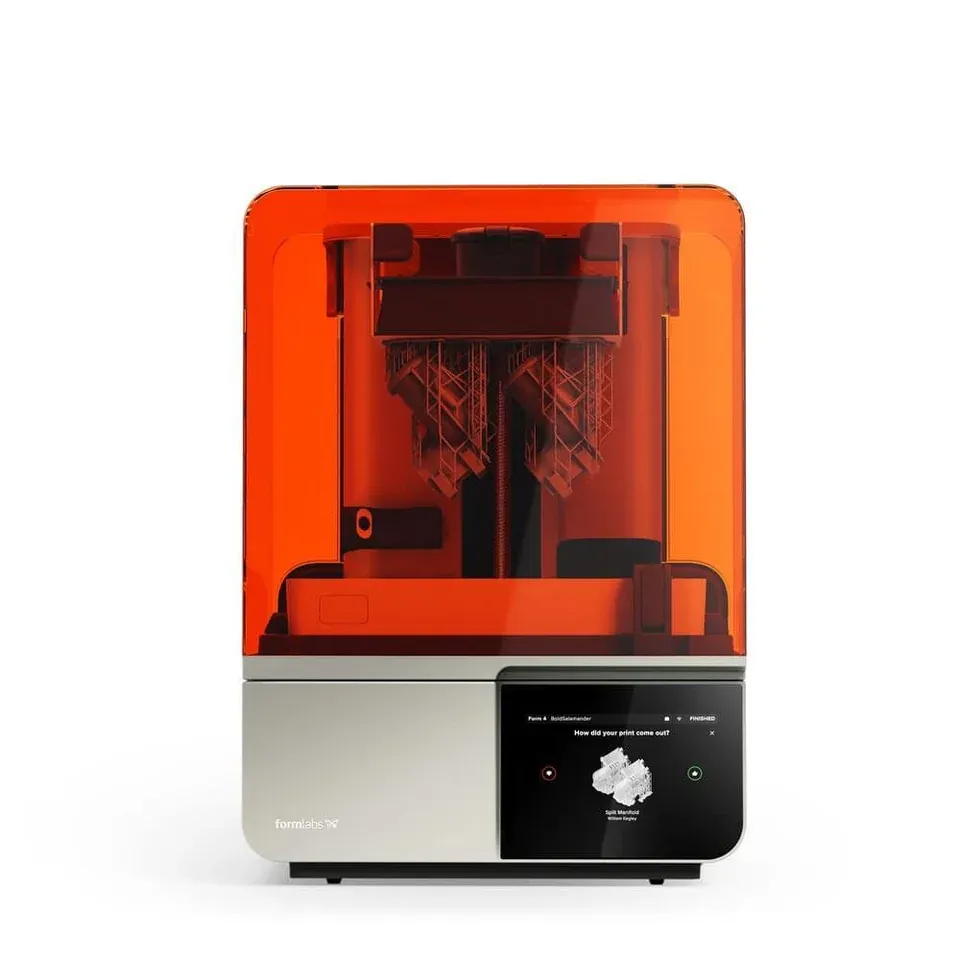
Choosing the right technology is the biggest lever on price. We explain the differences in our 3D printing materials guide, but in short:
- FDM is usually the most economical for larger, simpler parts and early prototypes.
- SLA costs more but gives fine detail and smooth surfaces for models and visual parts.
- SLS suits strong, functional nylon parts and small production batches.
Finishing: the hidden part of the price
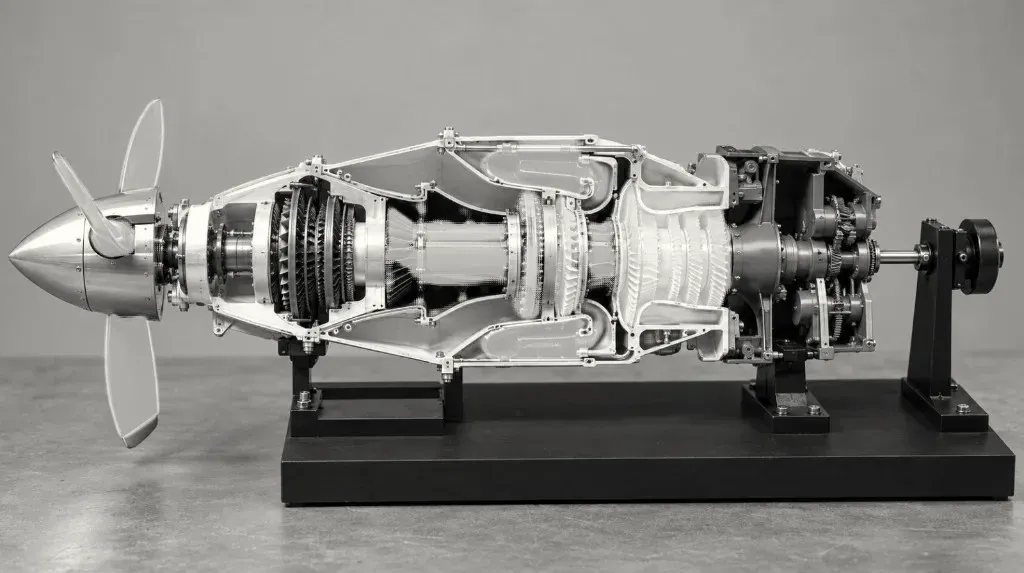
A raw print shows layer lines and support marks. For a professional look, parts are sanded, primed and painted, and sometimes assembled with lighting. For presentation models and display pieces, finishing is often the largest part of the cost, and it is what separates a professional result from a hobby print.
How to reduce your 3D printing cost
- Hollow large parts where strength allows, to save material and time
- Use FDM for early concept checks and SLA only for the final presentation version
- Combine several small parts into one print job
- Accept a natural material finish where paint is not essential
- Give a realistic deadline instead of a rush order
What we need for an accurate quote
- A 3D file (STL, OBJ, STEP) or drawings
- The size or scale you need
- Quantity
- How the part will be used: visual, functional or display
- Finish and colour
- Your deadline
For architectural and presentation models, see our guide to scale model cost in Dubai. For our printing services, visit 3D printing in Dubai.
Frequently asked questions
How much does 3D printing cost in Dubai?
It depends on size, material, technology, finishing, quantity and deadline. Send a 3D file with the details and we reply with a clear price.
Is 3D printing cheaper than traditional manufacturing?
For prototypes, one-off parts and small batches, usually yes, because there is no tooling cost. For large production runs, moulding is often cheaper.
Can you print from a sketch?
Yes. We can prepare the 3D model from sketches or drawings; the design work is quoted separately.
How fast can you print?
Simple parts can be ready in a few working days. Large or finished parts take longer.
Get a 3D printing quote
Send your file and requirements and we will recommend the most cost-effective way to print it, with a clear price and delivery date.